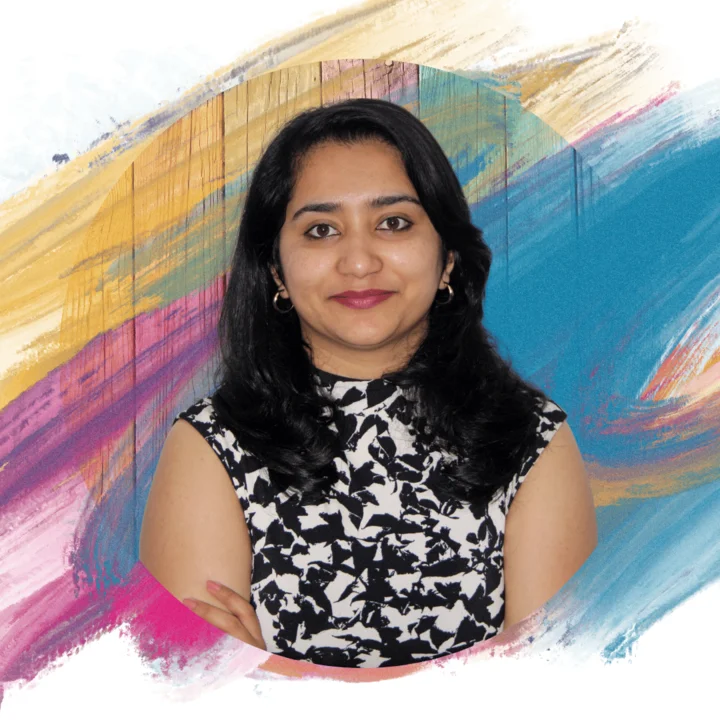
The mentor I wish I had during my PhD
Dr. Aleena Baby, astrophysicist turned Data Scientist and AI Engineer, now career strategist for PhDs navigating the leap to industry in Germany.
From astrophysics to Applied AI
My journey started in astrophysics. I spent years studying the cosmos at the University of Cologne, where I earned my PhD in computational astrophysics. I realised my expertise was being underused in academia and wanted to apply it somewhere with real-world impact.
University of Cologne. Large-scale data analysis, scientific computing, and ML for spectral classification of stellar populations.
Omdena (freelance). Led real-world ML projects while finishing my PhD. Built production models and learned what companies actually value vs what academia taught me to value.
Fresenius University of Applied Sciences. Taught machine learning and AI to engineering students. Bridging the gap between academic theory and industry practice.
Access e.V., Aachen. Building physics-informed ML systems for aerospace manufacturing. Production pipelines, MLflow, Docker, and models that run in real factories.
I did not have a mentor for this transition. I figured it out through trial, error, and a lot of cold emails. That is exactly why I built Academia to Industry – so you do not have to figure it out alone.
Background and expertise
PhD in Computational Astrophysics
University of Cologne. Trained in large-scale data analysis, scientific computing, and research methods that translate directly into industry ML work.
Research to Industry, Both Sides
5 years in academic research, now working as a Data Scientist and AI Engineer in advanced manufacturing. I have been on both sides of the transition and know exactly what changes and what stays.
AI/ML Lecturer
Fresenius University of Applied Sciences, Germany (2024–2026). Teaching machine learning and AI to engineering students, which means I can explain complex concepts in plain, actionable terms.
Applied Data Scientist / AI Engineer
Currently at Access e.V. in Aachen, building physics-informed ML systems for aerospace manufacturing. I give advice from inside industry, not from the sidelines.
Published Researcher
Peer-reviewed publications in astrophysics and co-authored AI papers. I understand how academic output works and how to translate it for hiring managers.
Germany-Based Market Knowledge
Living and working in Germany since 2019. I know how German recruiters think, what ATS systems they use, and what the actual salary bands look like for PhD-level roles.
What I believe
Five years of debugging code at 2am, defending your methods to reviewers, and extracting signal from noisy data? That is exactly what companies pay €60K–85K for. The problem is not your skills. It is that nobody taught you to describe them in language a hiring manager understands.
Clients land roles within 90 days on averageA standard career coach tells you to shorten your bullet points. I tell you which three roles in Germany you are actually competitive for based on your specific research background, and why. Then we reverse-engineer the CV, LinkedIn, and interview answers to match. Strategy first, applications second.
Every client gets a personalised target role listTwo-page CV format. Photo on the first page. ATS keywords that German recruiters actually filter on. Salary expectations that vary by city. I have been navigating this system since 2019, first for myself and now for 135+ clients. Knowing the unwritten rules is half the battle.
Recruiter callbacks within 2 weeks of material updatesWhy PhDs choose to work with me
I made this exact transition
From computational astrophysics PhD to Data Scientist and AI Engineer in aerospace manufacturing, in Germany, in English, without connections. I did not read about this transition. I lived it. Everything I teach comes from firsthand experience, not a coaching framework.
Germany-specific, not generic
Most career coaches give US or UK advice that does not transfer. I know the German Bewerbung format, the ATS tools German corporates use, the salary expectations by city, and the recruiters who specialise in PhD hires. That specificity is why clients get callbacks.
Structured, not conversational
Every programme has a clear deliverable: a rewritten CV, a targeted company list, a practised interview answer. You leave each session with something concrete, not just advice. 135+ clients coached, average time to first industry interview: under 3 months.
Honest about fit
I turn away applicants who are not ready. Not to be selective for its own sake, but because taking someone’s money when I cannot help them is not something I will do. The onboarding call exists to protect your time and mine.
PhD Admissions Coaching
Thinking about pursuing a PhD in Germany or Europe? I also help prospective PhD candidates navigate the admissions process: finding supervisors, writing research proposals, preparing for interviews, and understanding the German academic system.
Learn about PhD admissions